
News
News
Heavy! Trump swings the tariff baton again, and imported cars may face a 25% tariff hit.
Feb 19,2025

On February 18, local time, a heavy bomb was dropped on the US political scene! US President Trump publicly announced that he would impose a tariff of about 25% on imported cars, and planned to issue a more detailed statement on this topic on April 2. This news immediately caused a stir in the global automotive industry and international trade.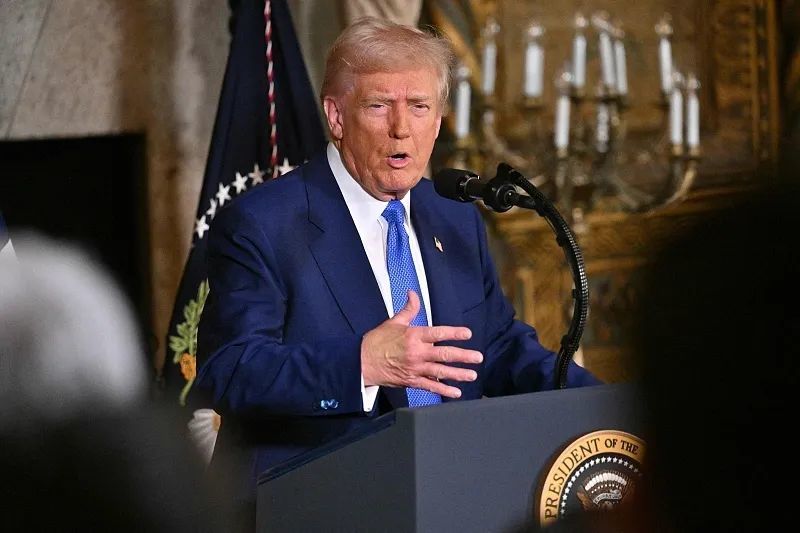
As early as February 14, Trump revealed that he might impose tariffs on imported cars on April 2, but he did not reveal more details at that time. Now that the clear tariff rate has been announced, all parties have reacted strongly. The US "Politico" pointed out sharply that Trump's move is undoubtedly adding fuel to the powder keg of international relations. The already delicate relationship between the United States and North America, Europe and major trading partners will become increasingly tense, and the cloud of trade friction will become more and more dense. Data is the most intuitive alarm bell.
In 2024, the value of imported automotive products in the United States was as high as US$471 billion, including US$214 billion worth of automobiles, US$192 billion worth of parts, and US$65 billion worth of trucks, buses, and other special-purpose vehicles. In the ranking of import sources, Mexico ranked first with US$49 billion worth of automotive products, followed by Japan with US$40 billion, South Korea, Canada, and Germany with US$37 billion, US$28 billion, and US$25 billion, respectively. It is worth mentioning that previously, most automobiles produced in Mexico and Canada could enter the US market tax-free, but now with Trump's decision, this preferential policy is in danger.
According to AFP analysis, in the eyes of the US government, tariffs are not only a "money bag" to increase fiscal revenue, but also a "sledgehammer" to force multinational companies to expand their production capacity in the United States. Industry analysts speculate that in the next few months, in order to cope with the impact of tariffs, multinational automakers may announce plans to build or expand new factories in the United States. However, US policies are always subject to change, and manufacturers are sailing in the fog when making future production plans, with uncertainties and risks.
Once these 25% tariffs come into effect, the US domestic auto market will undergo a major transformation. Currently, the annual production of US domestic cars is about 10 million, while the sales of cars in 2024 will be around 16 million, which means that 6 to 7 million cars will depend on imports every year. At that time, the cost of imported cars will increase significantly, and the price will inevitably rise. The cost of buying cars for consumers will surge, and US domestic automakers may usher in a short "spring", and the market share is expected to rise.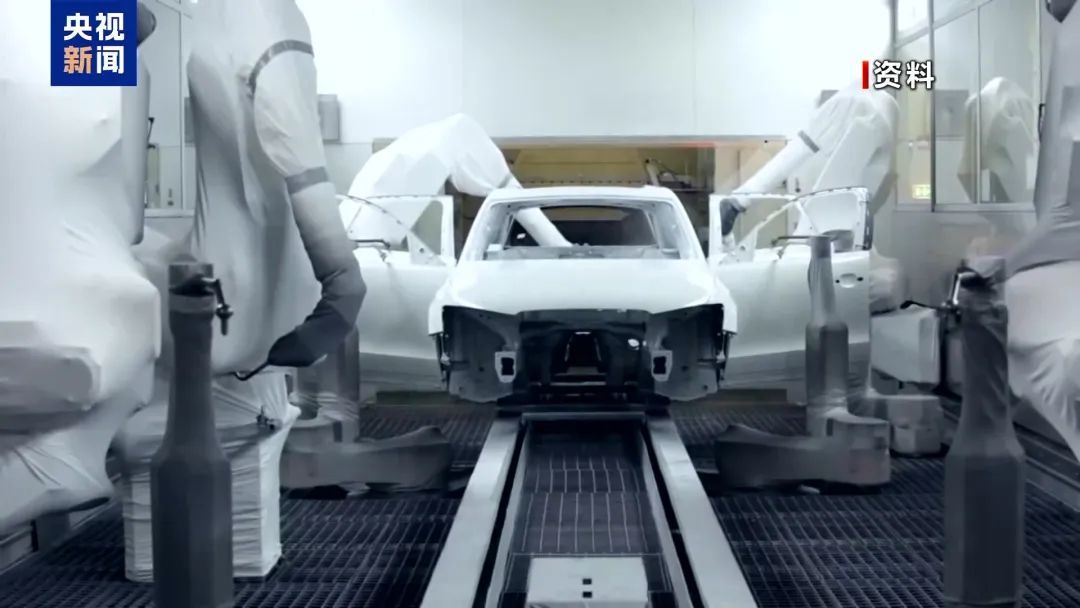
For those countries that are major exporters of automobiles to the United States, the pressure is enormous. The South Korean auto industry is at the forefront. According to the South Korean "NEWSIS" news website, more than half of the South Korean cars exported overseas are sold to the United States. Once the tariffs are implemented, South Korean car manufacturers such as Hyundai Motor Group will suffer heavy losses.
It is estimated that if a 10% tariff is imposed on Korean-made cars, the operating profit of Hyundai and Kia will be reduced by more than 4 trillion won (about 20.2 billion yuan). Japanese automakers are equally worried. According to data from the Japanese Ministry of Finance, Japan's export of automobiles to the United States accounted for 28.3% of the total export in 2024, and if the export of auto parts is added, it accounts for more than one-third. Japanese Prime Minister Shinzo Abe has also publicly expressed concerns about the US imposing auto tariffs.
Canada and Mexico are also in a difficult situation. About 80% of Canada's sales of automotive parts and complete vehicles depend on exports to the United States. Many American brands sold in the United States are assembled in Canada. Mexico, with its cost and geographical advantages, attracts many foreign auto manufacturers. The United States is its main destination for the export of light vehicles, accounting for 83.6%. Gabriel Padilla, director of the Mexican National Automotive Parts Industry Association, stressed that the imposition of tariffs by the United States will greatly increase the cost of General Motors and Ford automakers, and have a significant impact on the GDP of Mexico's automotive manufacturing industry, up to 1.5%.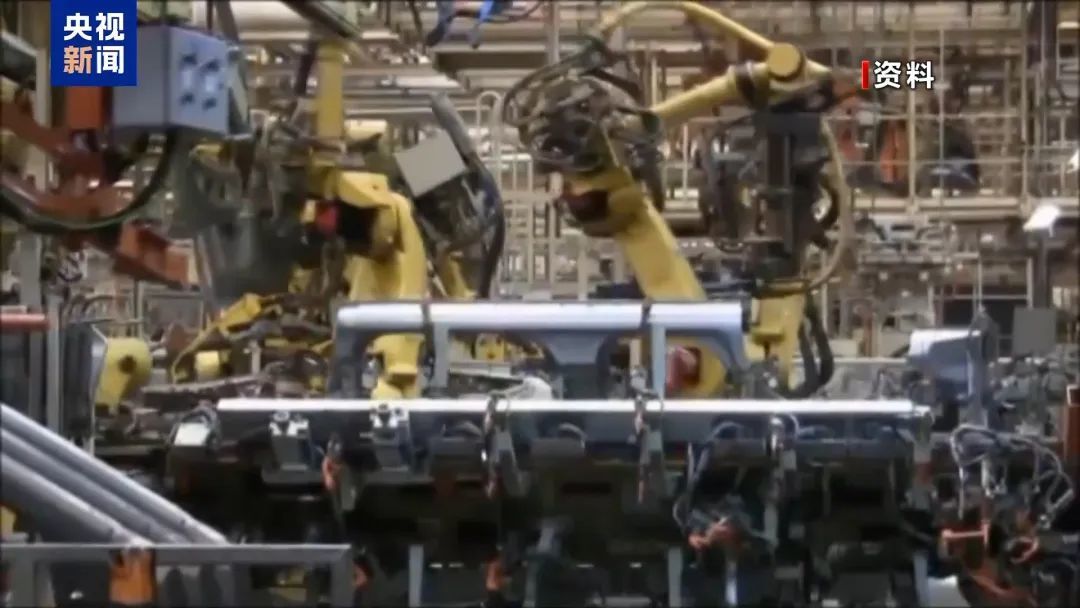
There are complex political and economic considerations behind Trump's use of tariffs on imported cars. On the one hand, the domestic auto industry in the United States faces pressure from international competition. By raising tariffs, it can protect local auto companies, increase job opportunities, and win support from the domestic industry. On the other hand, this is also Trump's "ace in the hole" in international trade negotiations. He hopes to use tariffs to force trading partners to make concessions in other areas and adjust international trade rules to make them more in line with US interests.
But trade is a "win-win" game, and unilateral tariff barriers will only trigger a chain reaction. According to Zhongshi, an American automotive industry analyst, Japanese and South Korean automakers have been preparing for trade frictions for many years. Some popular models have been set up in the United States, so they are relatively less affected by tariffs. And Canada and Mexico



Make global trade unimpeded
Contact Phone


Contact Us


Copyright ©Guangzhou Hongdex International Logistics Co.,Ltd
Hotline: 020-84608598
Whatsapp: 18027165010
QQ:2853396538
Email: 2853396545@qq.com
We will provide you with timely feedback