
News
News
In the peak season, freight rates fell, or repeated the decline of Q3 in 2022, and never recovered?......
Jul 16,2024
If the peak season is not yet able to support freight rates, the situation will be even more severe after entering the off-season. To meet this challenge, shipping alliance carriers need to increase their efforts to idle ships in order to control the supply of capacity,Otherwise, under the interweaving of multiple unfavorable factors, freight rates will be hit hard again, repeating the mistakes of the 2022 peak season.
The SCFI container freight index released by the Shanghai Shipping Exchange on Friday fell to 3675 points, down 1.57 percent from last week, ending a 13-week upward trend. An analysis report pointed out that this phenomenon of falling freight rates in the most seasonal July to August highlights the problem of excess ship capacity; non-shipping alliance carriers have joined the competition on the US-West route, and their market share has surged from 15% to 30% in the past nine months,It indicates that the carrier's original strategy of raising freight rates through the alliance group will face the risk of losing control, which may repeat the trend of the sharp decline in freight rates in the 2022 peak season.
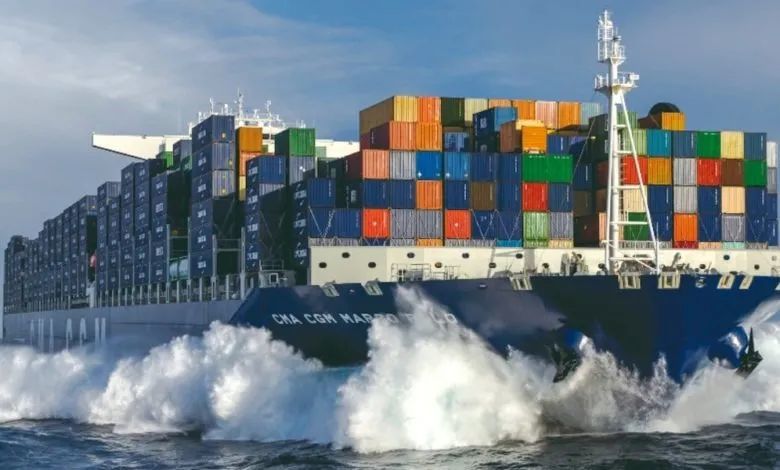
The analysis further pointed out that if the peak season is not yet able to support freight rates, then the situation will be more severe after entering the off-season. To meet this challenge, shipping alliance carriers need to increase their efforts to idle ships in order to control the supply of capacity,Otherwise, under the interweaving of multiple unfavorable factors, freight rates will be hit hard again, repeating the mistakes of the 2022 peak season.
(2) The Panama Canal's water level has risen and its capacity has increased significantly:After a period of downturn in the capacity of the Panama Canal, with the arrival of the rainy season and the rise of the lake water level, the number of daily passable ships increased rapidly. Starting from the historical low of 18 ships on March 15, 2024, the Panama Canal has gradually relaxed its traffic restrictions to 24 ships on May 16; to 32 ships on June 1; to 33 ships on July 11; to 34 ships on July 22; and to 35 ships per day on August 5, showing a significant improvement in its transportation efficiency.
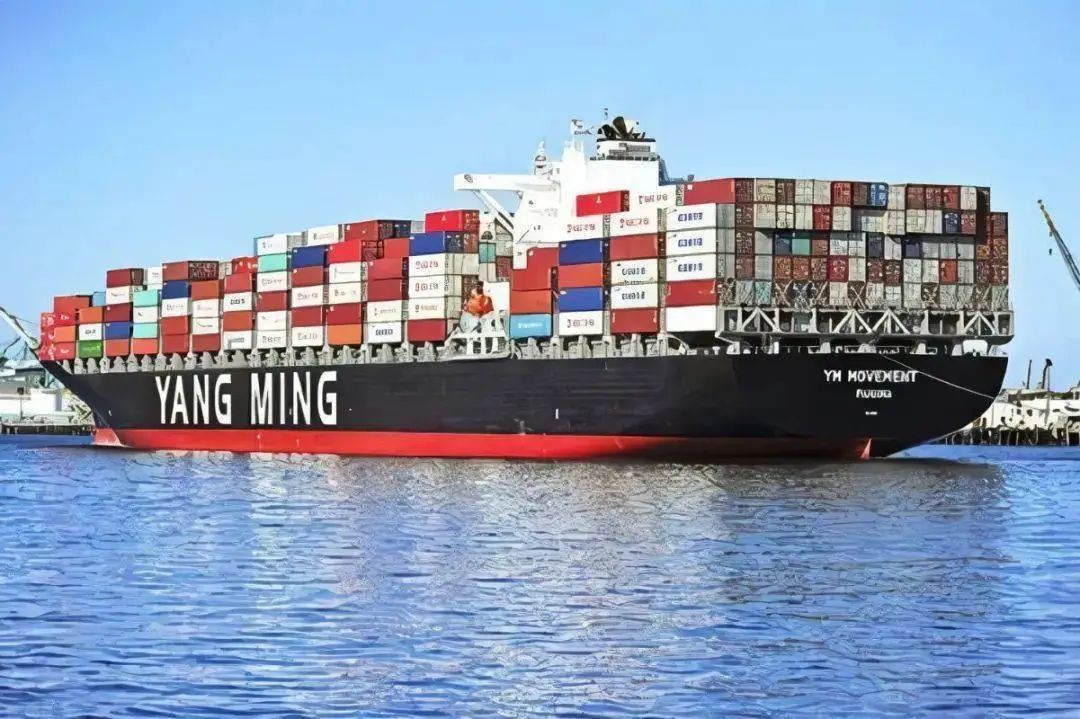
(4) The surge in new ship deliveries and the backlog of orders indicate a long-term oversupply:The global container fleet capacity continues to grow, reaching 30.21 million TEUs on July 10, 2024. In the past year, especially in the whole year of 2023 (2.3 million cases delivered) and the first five months of 2024 (1.37 million cases delivered), new ship deliveries reached a record high. In addition, as of June 8, 2024, the global order volume of new container ships to be delivered is as high as 5.75 million TEUs, equivalent to 3.4 EVA capacity, accounting for 19% of the current global container fleet capacity, indicating that excess capacity will be the long-term trend facing the market in the future.
Previous Page:



Make global trade unimpeded
Contact Phone


Contact Us


Copyright ©Guangzhou Hongdex International Logistics Co.,Ltd
Hotline: 020-84608598
Whatsapp: 18027165010
QQ:2853396538
Email: 2853396545@qq.com
We will provide you with timely feedback