
News
News
On tariffs against China: 11 EU countries abstain!
Jul 18,2024
The EU voted on China's electric vehicle tariff measures, with significant internal differences, with a certain proportion of support, opposition and abstention, reflecting the trade-off between trade fairness and risk among member states. In the next few months, the EU will make decisions based on comprehensive opinions, and Chinese car companies need to pay close attention and prepare to respond. On July 16, the European Union held a "consultation vote" on measures to impose tariffs on Chinese-made electric vehicles. The results showed that there were significant differences within the EU. According to the website of Radio Hong Kong and a number of foreign media reports, the vote was kept confidential in writing. In the end, 12 EU member states supported the tariff increase, 4 member states opposed it, and 11 member states abstained from voting.
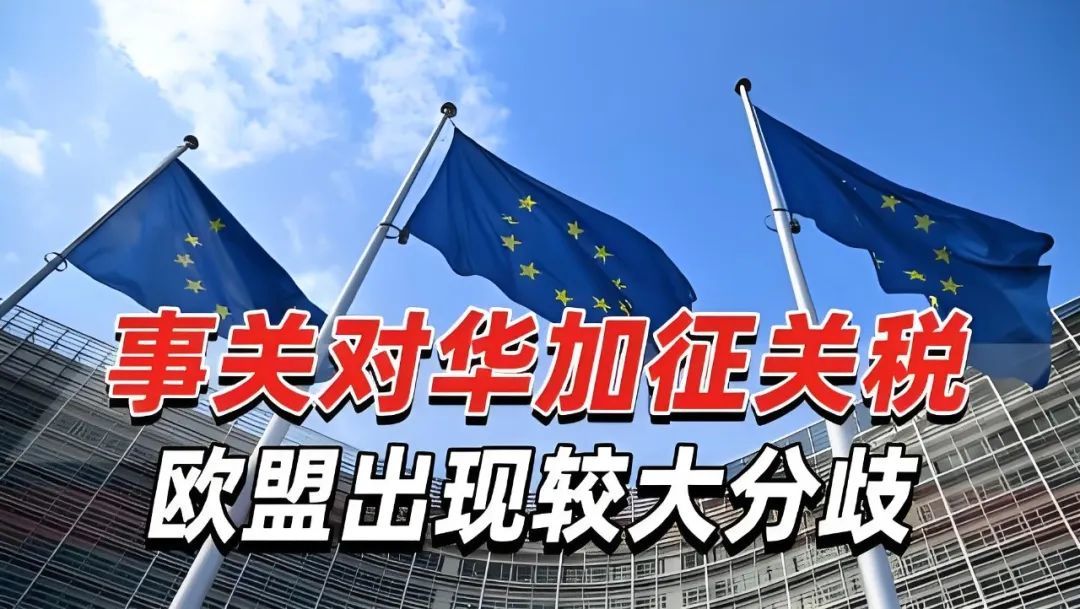
Among the member states that support the tariffs are France, Italy and Spain. They may believe that this will help maintain a level playing field in the EU market. However, opponents such as Germany, Finland and Sweden expressed different views. The German side, which was involved in discussions during the consultations but has yet to make a final decision, stressed the importance of seeking a quick and consistent solution with China. Finland has expressed doubts about the tariff, saying it could create uncertainty in the market and value chain, and not all European automakers are in favor of the move. Sweden also stressed the importance of dialogue with China to find a solution.
It is worth noting that the large number of abstentions reflects the wavering attitude of EU member states on this issue. They both understand the European Commission's position that "trade must be conducted on a level playing field" and are concerned about the risk of a trade war with China. As an export-oriented country, Austria has directly expressed its concern about such "retaliation" measures, believing that it will cause heavy losses to the national economy.
The European Commission has imposed temporary tariffs on Chinese electric vehicles since July 4 and plans to decide in the future whether to implement formal tariffs for a period of five years. Although the vote is not binding, the position documents of the member states will have an important impact on the final decision of the European Commission.
Analysts pointed out that there are huge differences within the EU on the imposition of countervailing duties, and it is difficult to reach a consensus in a short time. Cui Hongjian, a professor at the Institute for Advanced Studies in Regional and Global Governance at Beijing Foreign Studies University, believes that this reflects the different interests and considerations of EU member states in trade policies. Zhao Yongsheng, a researcher at the National Institute of opening up at the University of international business and economics, predicts that there is a big challenge to prevent the EU from formally imposing tariffs in four months' time. It is necessary for China and the EU to continue to strengthen dialogue. At the same time, Chinese electric vehicle enterprises should also be prepared to increase lobbying efforts and look for other potential markets.

In addition, Hungarian Economy Minister Najib Marton has made it clear that he opposes imposing tariffs on Chinese electric vehicles, believing that protectionism is not the solution. This position may play a role in the future decision-making process of the EU.
The European Commission previously stated that it will impose temporary countervailing duties on electric vehicles imported from China from the 5th of this month for a maximum period of 4 months. Within these four months, the tariff increase must be voted by the EU member states and a final decision will be made. If the tariff increase is finally passed, the new tax rate will apply for five years. If there is a majority of 15 or more member states, and the population of these countries accounts for 65% of the EU's total population, the EU will not be able to implement this controversial measure in the final vote.
At present, the EU's measures to impose tariffs on Chinese electric vehicles have caused widespread internal disputes and differences. In the coming months, the European Commission will make a final decision based on the opinions and interests of member states. Chinese electric vehicle companies need to pay close attention to the development of the situation and prepare for it.



Make global trade unimpeded
Contact Phone


Contact Us


Copyright ©Guangzhou Hongdex International Logistics Co.,Ltd
Hotline: 020-84608598
Whatsapp: 18027165010
QQ:2853396538
Email: 2853396545@qq.com
We will provide you with timely feedback