
News
News
Eight consecutive rises! Freight rates continue to soar! Enterprises rush to grab empty boxes and buy self-provided boxes.
Jun 04,2024
The latest Shanghai Freight Index (SCFI) released by the Shanghai Shipping Exchange on May 31 was 3044.77 points, up 12.63 percent from the previous period, achieving "eight consecutive increases" and breaking the 3000-point mark in one fell swoop. Among them, the U.S. and African routes have the most significant increase, up nearly 57% in a month.

In addition, freight rates from Shanghai to West Africa, South Africa and South America also rose sharply by US $799, US $936 and US $343 respectively.
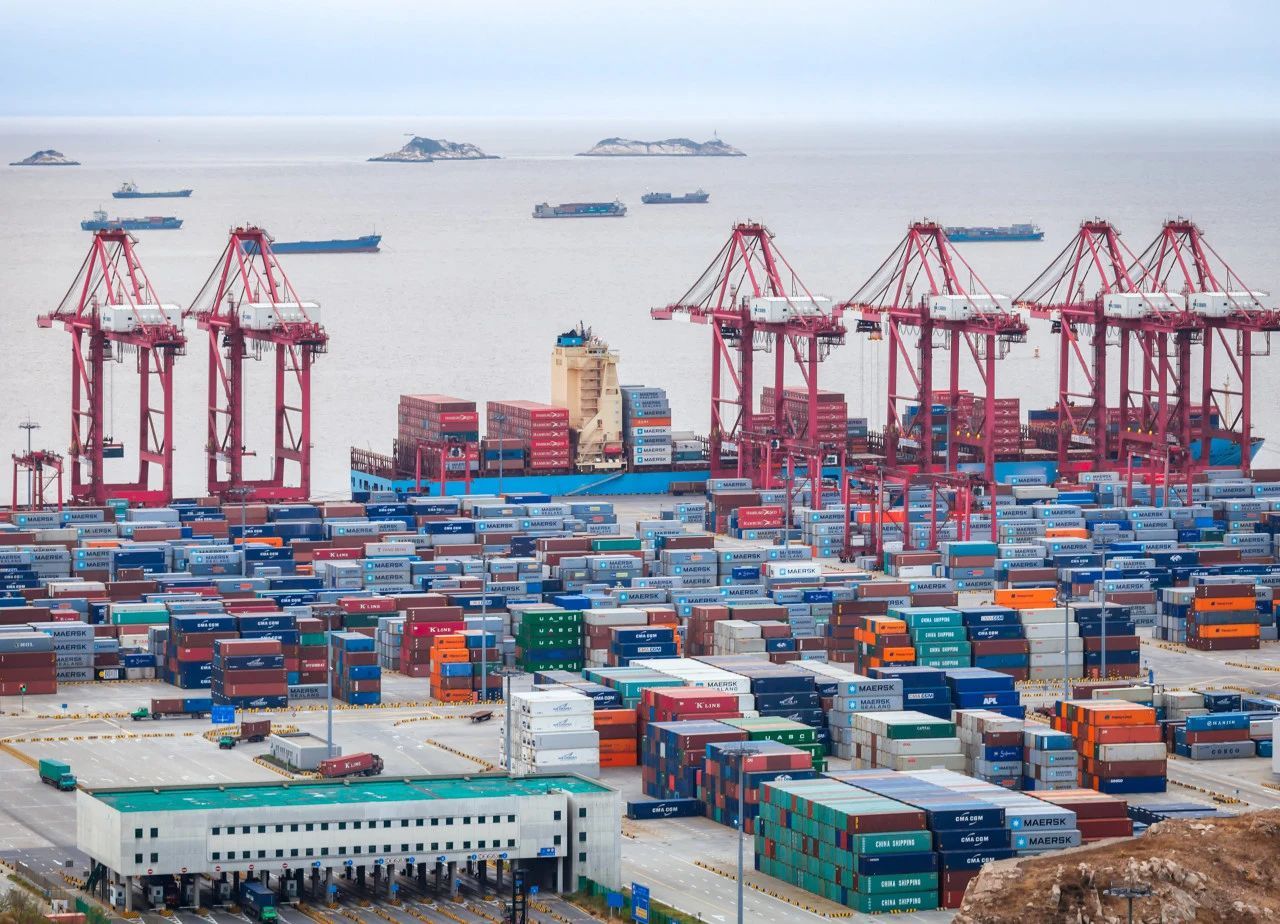
It is understood that the tight supply of containers is mainly due to the diversion and delay of ships caused by the situation in the Red Sea, as well as the launching of a large number of new ships and the increase in container demand. In order to meet the demand of foreign trade enterprises and improve the efficiency of container use, some shipping enterprises shorten the time of extracting empty containers from 48 to 72 hours to 24 hours.

Previous Page:



Make global trade unimpeded
Contact Phone


Contact Us


Copyright ©Guangzhou Hongdex International Logistics Co.,Ltd
Hotline: 020-84608598
Whatsapp: 18027165010
QQ:2853396538
Email: 2853396545@qq.com
We will provide you with timely feedback