
News
News
The tariff storm swept the U.S. line, nearly 40% of the goods "shut down," and the cross-border e-commerce shipment was "cut in half" about 50% | Maritime export logistics
Apr 09,2025

Recently, the global tariff war has intensified, and the "reciprocal tariff" policy announced by the Trump administration in the United States has triggered a knock-on effect, which has had a profound impact on the global trade and logistics industry.
On April 2, US President Donald Trump announced "reciprocal tariffs" on 185 countries and regions around the world, with a base rate of 10 percent and a maximum of 50 percent. This policy not only targets the import of goods, but also extends to the field of cross-border e-commerce.
The removal of duty-free treatment for small packages from Chinese Mainland and Hong Kong in the United States has led to a sharp drop in cross-border e-commerce shipments.
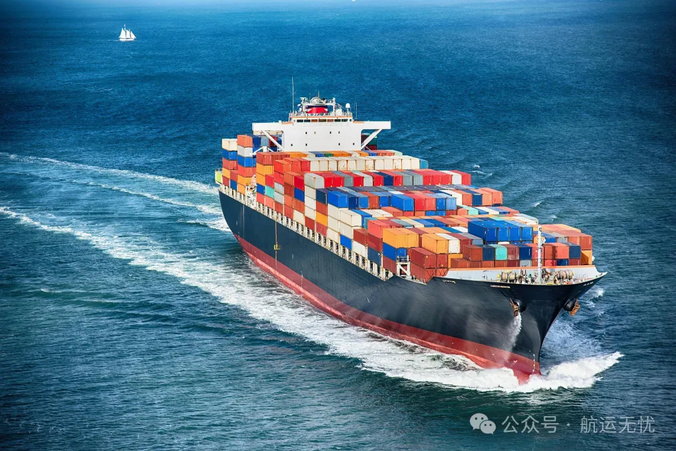
Due to the tariff policy, about 35% to 40% of China's shipments to the United States have been suspended. In Vietnam, shipments were suspended by more than 30%. Cross-border e-commerce shipments have suffered a "half-reduction."
Shipping companies are taking a wait-and-see approach to rates, saying they will remain the same until the middle of the month but will further reduce the number of flights. It is forecast that the overall volume will decrease by more than 10% this year.
The transportation industry is deeply anxious about the impact of the tariff war on US trade volumes. Industry insiders predict that the imposition of ultra-high tariffs by the United States will trigger protests and even retaliation from countries, and that the current tariff war may only be the beginning, with many uncertainties following, and the situation is similar to the early days of the COVID-19 outbreak.
In the worst case, the US line logistics may grind to a halt, and the volume will drop sharply in the short term, dragging down freight prices, and the US line long-term contract prices will also be affected. 
To mitigate the impact on global trade, the U.S. Customs and Border Protection's policy of imposing a 10% import tariff on all products provides a 51-day grace period.
Goods shipped or in transit before April 5 will be exempt from the tariffs if they arrive in the United States before May 27. Many industry sources pointed out that the longer the tariff uncertainty persists, the greater the impact on short-term futures volumes in the United States.
Pessimists even predicted that first-quarter shipments could be the highest for the whole of the year, after which imports could continue to decline.
At present, the May agreement being negotiated between the United States and the United States Lines faces many variables. The Trump administration's proposed reciprocal tariffs are too high, and it proposes high port fees for Chinese ships, while tariff waivers for small e-commerce goods will be eliminated from May 2.

Senior executives at major Asian shipping companies estimate that the average price of the length of the US-Spain route will be around $1,700 this year, and there will be no more than $2,000. The US-Spain route mostly maintains a price of around $2,300 per trunk, which, on average, is about $2,100 to $2,100, when compared with the long-range price ($1,500 to $1,700).
In the context of the global tariff war, how countries can protect their own interests while maintaining the stability of the global economic landscape has become the focus of attention. The direction of this trade war will directly affect the future shape of the global economy. The logistics industry needs to pay close attention to policy changes and adjust transportation strategies flexibly to cope with the changing market environment.
Previous Page:



Make global trade unimpeded
Contact Phone


Contact Us


Copyright ©Guangzhou Hongdex International Logistics Co.,Ltd
Hotline: 020-84608598
Whatsapp: 18027165010
QQ:2853396538
Email: 2853396545@qq.com
We will provide you with timely feedback